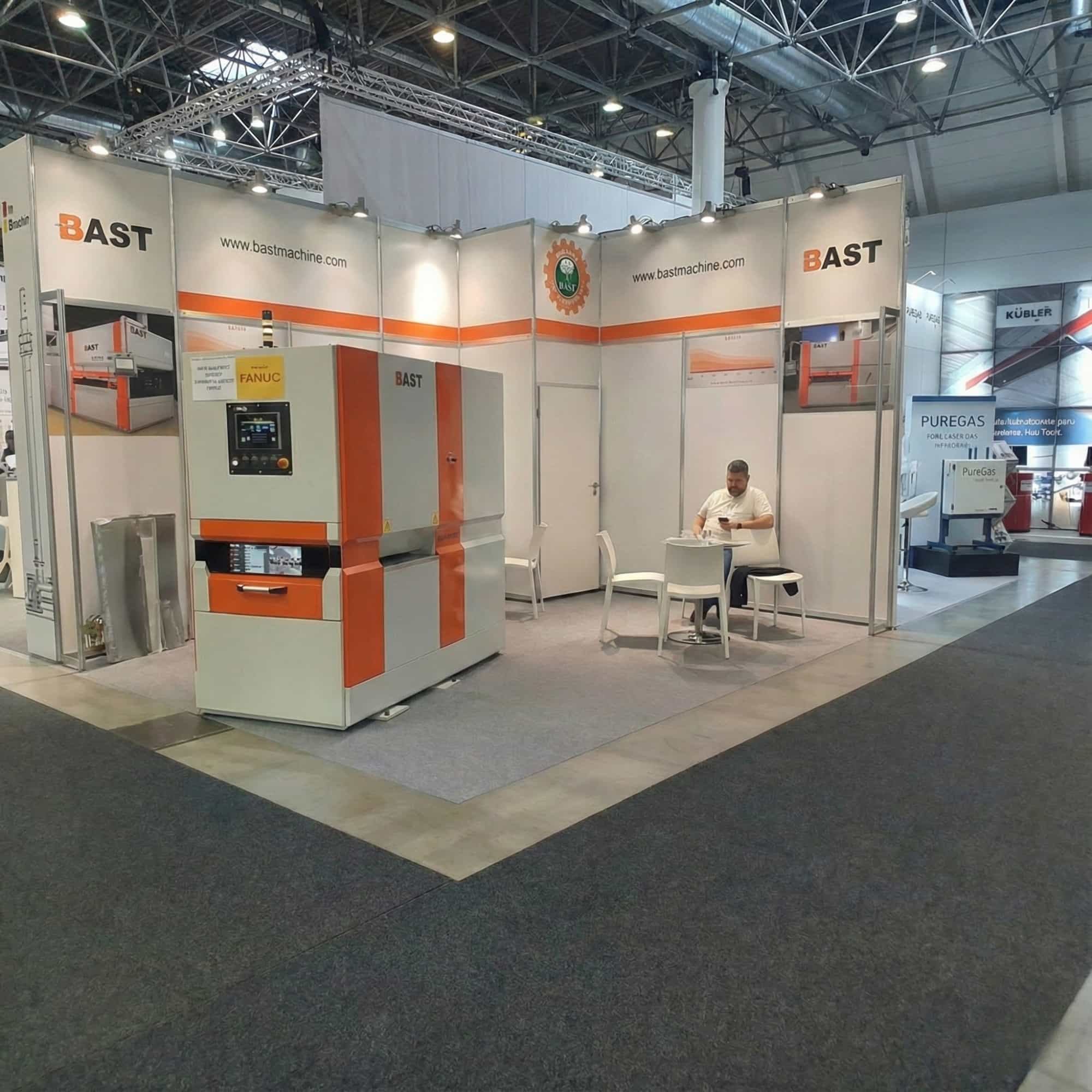
In modern industrial processes, the quality of the final product is not determined solely by the precision of the cutting machines or the quality of the raw material, but also by how the sheet metal is prepared before subsequent processing. At BAST Machine, we see every day how internal stresses generated in the early stages of processing can significantly affect the entire production cycle. For this reason, sheet metal straightening is now a fundamental step in modern industrial processes.
Operations such as laser cutting, flame cutting, or perforation inevitably introduce internal stresses into the material. These stresses are not always immediately visible, but manifest themselves in the form of undulations, curvatures, or twists that compromise the flatness of the sheet metal. Without an adequate straightening process, such deformations can cause instability in subsequent processing and reduce the overall quality of the product.
The consequences of internal stresses on production
A sheet metal with residual stresses can behave unpredictably during subsequent production stages. In precision welding, even small deformations can lead to misalignments, irregular welds, or structural defects. In bending and twisting processes, the material can react unevenly, making it difficult to maintain consistent tolerances.
From a production standpoint, these problems result in rework, scrap, and process slowdowns. In an industrial context where efficiency and operational continuity are key elements, sheet metal straightening becomes a strategic step, not just a corrective measure.
Straightening as the basis for reliable processes
The main objective of straightening is to reduce internal stresses and restore the sheet metal to a state of geometric stability. Properly straightened sheet metal provides a solid basis for all subsequent processing, improving the predictability of material behavior and increasing the repeatability of the production process.
At BAST Machine, we consider straightening not as an isolated operation, but as an integral part of the production flow. Preparing the sheet metal correctly means ensuring that each subsequent stage can be carried out in a more controlled, precise, and reliable manner.
The evolution of straightening technologies
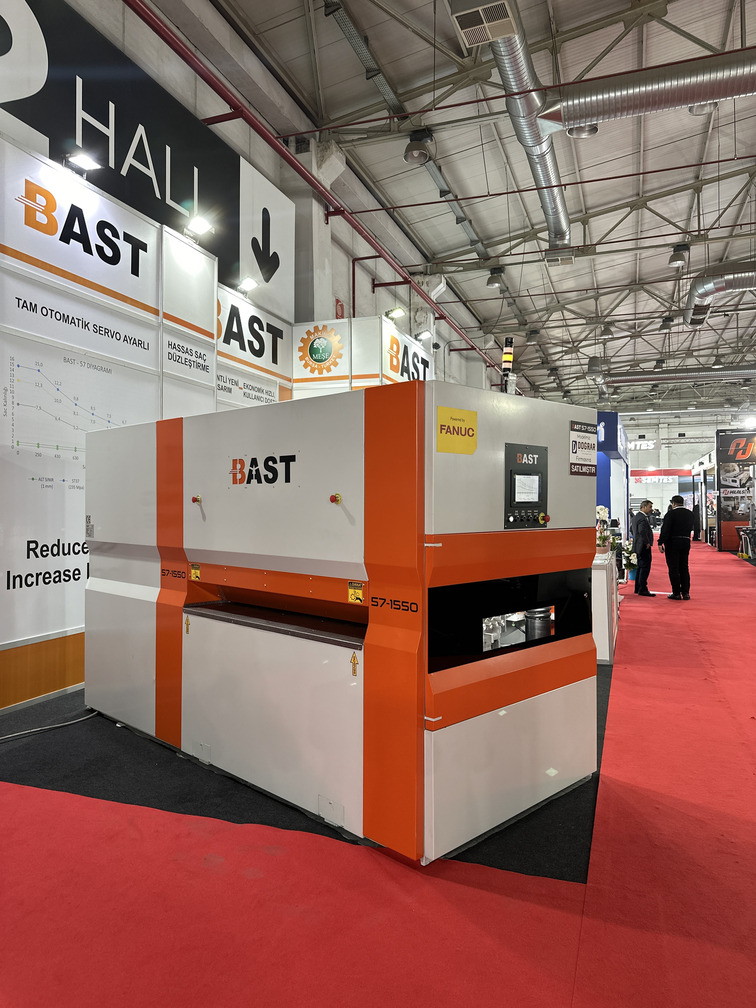
With the evolution of industrial processes, straightening technologies have also adapted to new requirements. Today, roller straightening is an established standard in modern sheet metal processing plants. This approach allows internal stresses to be reduced in a continuous and controlled manner, improving the flatness of the material after operations such as laser cutting or perforation.
Compared to other methods, roller straightening is characterized by a fast, economical, and relatively easy-to-manage process. In addition, it requires minimal training time for technical personnel, making it suitable for a variety of production contexts. At BAST Machine, we develop straightening solutions with these operational requirements in mind, with the aim of efficiently integrating the process into existing production lines.
Control, stability, and process durability
In modern straightening processes, precision depends not only on mechanics, but also on process control. Sensor-supported control systems allow straightening to remain stable even when there are variations in thickness or material characteristics.
Another fundamental aspect is the protection of the machine over time. Overload protection systems help to increase the fatigue resistance and operational life of the equipment. At BAST Machine, we pay particular attention to these elements, because production continuity is an essential factor for modern industry.
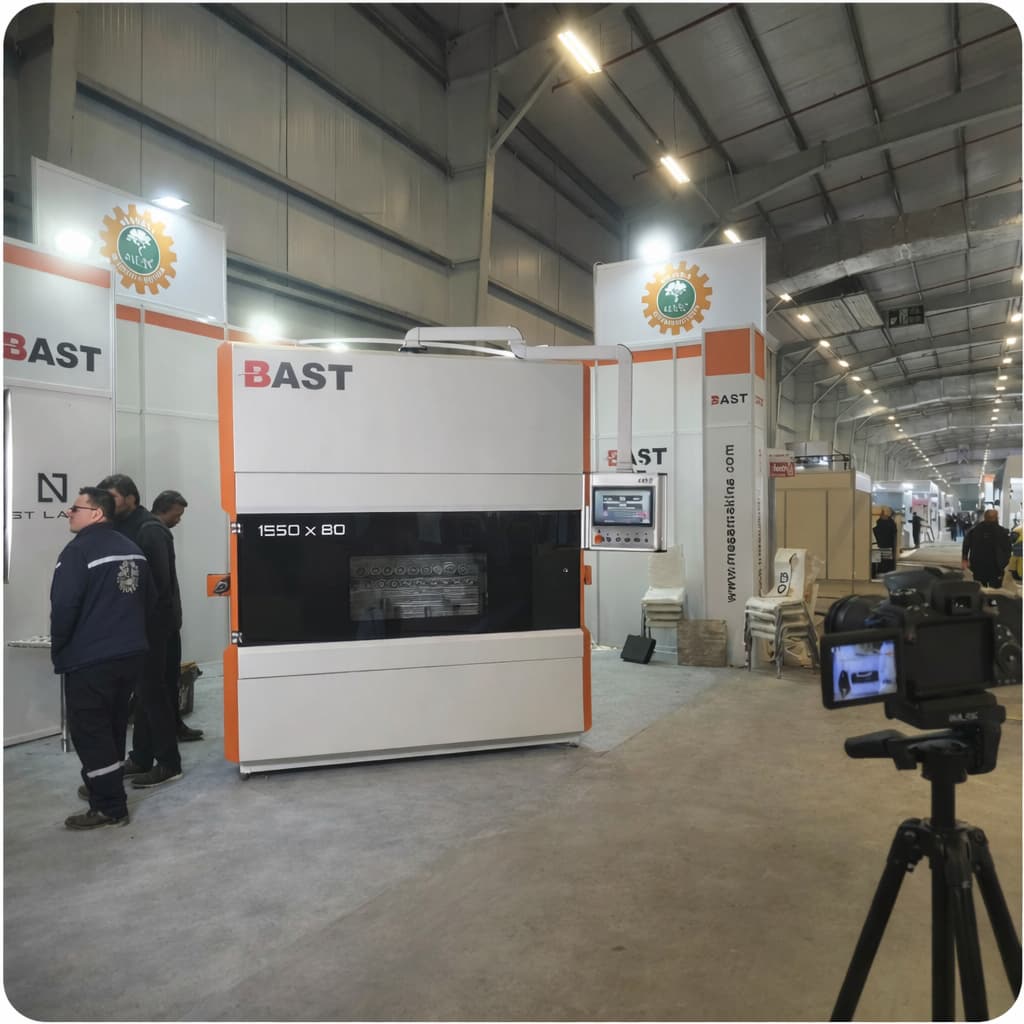
Intuitive interfaces, such as touch screen control panels, also allow operators to set parameters precisely and manage the process with ease. This reduces the margin for operational error and improves the consistency of results over time.
Concrete benefits in subsequent processing
A correctly straightened sheet metal offers tangible advantages throughout the production chain. Welding operations are more precise, bending is more uniform, and assembly processes are more stable. Even in the finishing stages, a flat surface contributes to more consistent and higher quality results.
From an economic point of view, the reduction in waste and rework allows for optimized use of materials and improved overall production efficiency. This aspect is particularly relevant in an increasingly competitive industrial market.
A key phase for contemporary industry
In conclusion, sheet metal straightening is now a fundamental stage in modern industrial processes. It is not simply a matter of correcting visible deformation, but of stabilizing the material to ensure precision, reliability, and continuity throughout the production cycle. At BAST Machine, we approach sheet metal straightening as a strategic choice, aware of its central role in ensuring consistent quality and performance in modern industrial processing.
continue reading