
In the sheet metal processing industry, production quality is not determined solely by the quality of raw materials but is also directly influenced by the accuracy and consistency of the applied processes. Internal stresses that occur after laser cutting, plasma cutting, flame cutting, or perforated sheet applications can distort flatness, leading to serious challenges in the subsequent stages of production. These issues not only extend labor time but also increase scrap rates.
At this point, sheet metal leveling is often underestimated as a critical step in the production line. When leveling is not performed correctly, it can result in gaps during welding, dimensional deviations in bending operations, and incompatibilities during assembly.
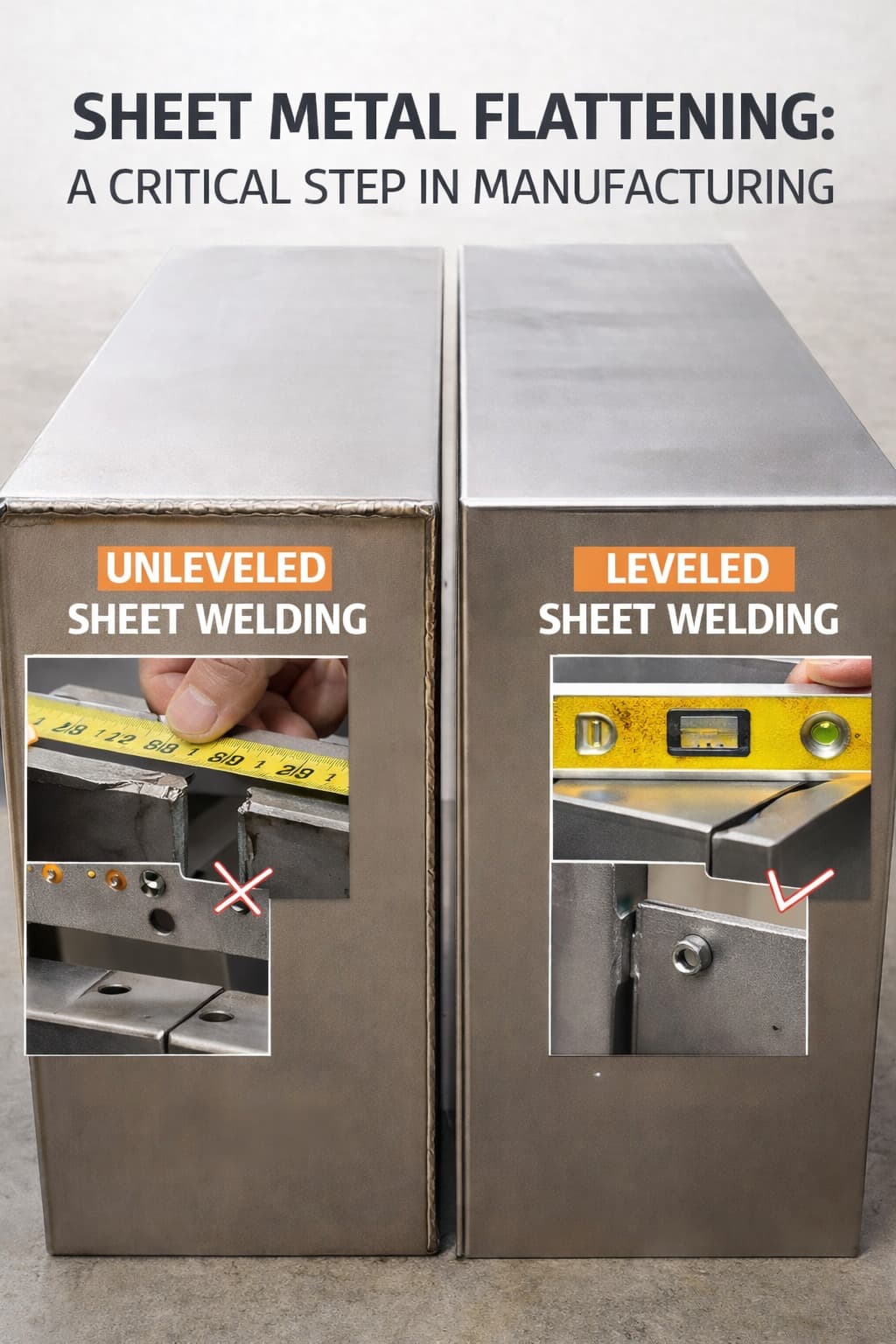
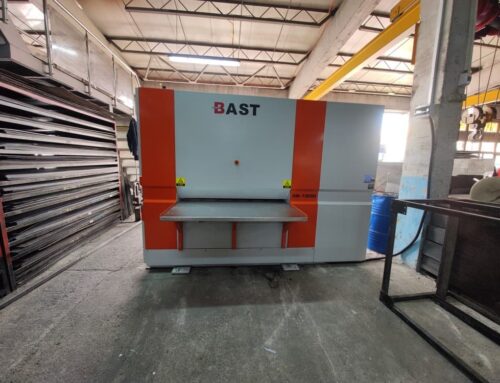
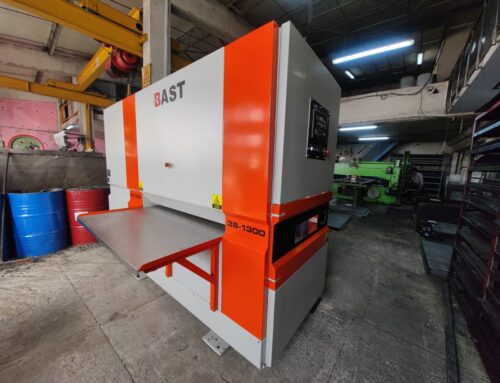
Modern sheet metal leveling technologies have been developed to eliminate these production-related issues, making processes more controlled and predictable. Roller-based leveling systems distribute internal stress across the sheet surface in a balanced manner, ensuring greater stability for downstream operations. Among the solutions developed in this field, BAST sheet metal leveling machines stand out by offering a practical and repeatable approach to eliminating deformations caused by laser cutting.
Limitations of Traditional Methods
For many years, sheet metal leveling was carried out using pressing methods, manual adjustments, or techniques heavily dependent on operator experience. While these methods may work in certain cases, their inability to deliver consistent results for every part represents a major drawback. Operator-dependent practices hinder standardization and fail to provide a sustainable solution for mass production environments.
Additionally, manual correction methods are time-consuming. As the time spent per part increases, production costs rise and delivery schedules are extended. In facilities with high laser cutting volumes, this often leads to bottlenecks within the production line.
The Rise of Roller-Based Sheet Metal Leveling
Today, roller-based sheet metal leveling machines have become a widely adopted solution to address these challenges. These systems distribute internal stresses within the material in a controlled and uniform manner, resulting in a more homogeneous levelness.
One of the key advantages of roller leveling technology is process repeatability. Similar results can be achieved across different parts using the same machine settings, which is a significant benefit for companies engaged in serial production.
Key advantages include:
- Reduced leveling time
- Minimized operator-related errors
- Consistent quality on a per-part basis
- Shorter preparation time before welding and bending
- Lower scrap and rework rates
Digital Control and Ease of Operation
In modern sheet metal leveling machines, touchscreens and digital control systems have become standard features. These technologies allow precise machine settings within narrow tolerance ranges and enable quick transitions between different sheet thicknesses. The ability for operators to use the machine efficiently without extensive training offers a significant advantage in maintaining production continuity.
Systems supported by precision sensors ensure process stability, while overload protection mechanisms enhance machine durability and reduce long-term maintenance costs.
Contributions to Industrial Applications
Roller-based sheet metal leveling machines are effectively used not only for single-part production but also in high-volume manufacturing lines. Eliminating waviness caused by laser cutting is particularly critical in industries such as automotive manufacturing, machinery production, metal construction, and sheet metal enclosure fabrication.
With these technologies, manufacturers achieve more predictable production processes. Stable quality increases customer satisfaction while enabling more accurate delivery planning.
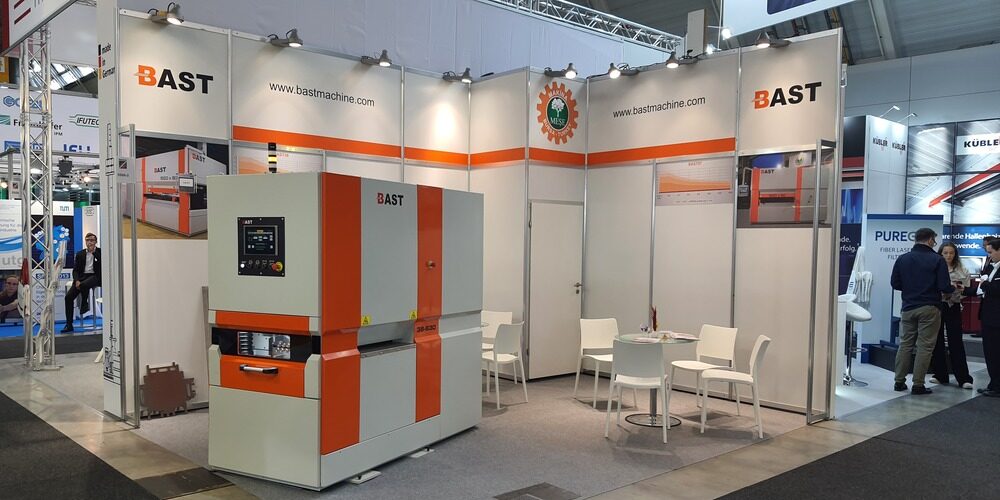
Among the solutions developed in Türkiye and the international market, BAST sheet metal leveling machines stand out for their practical design and strong process compatibility. They are widely preferred for preparing laser-cut sheets smoothly and reliably for subsequent manufacturing operations.
Real-World Performance of BAST Solutions
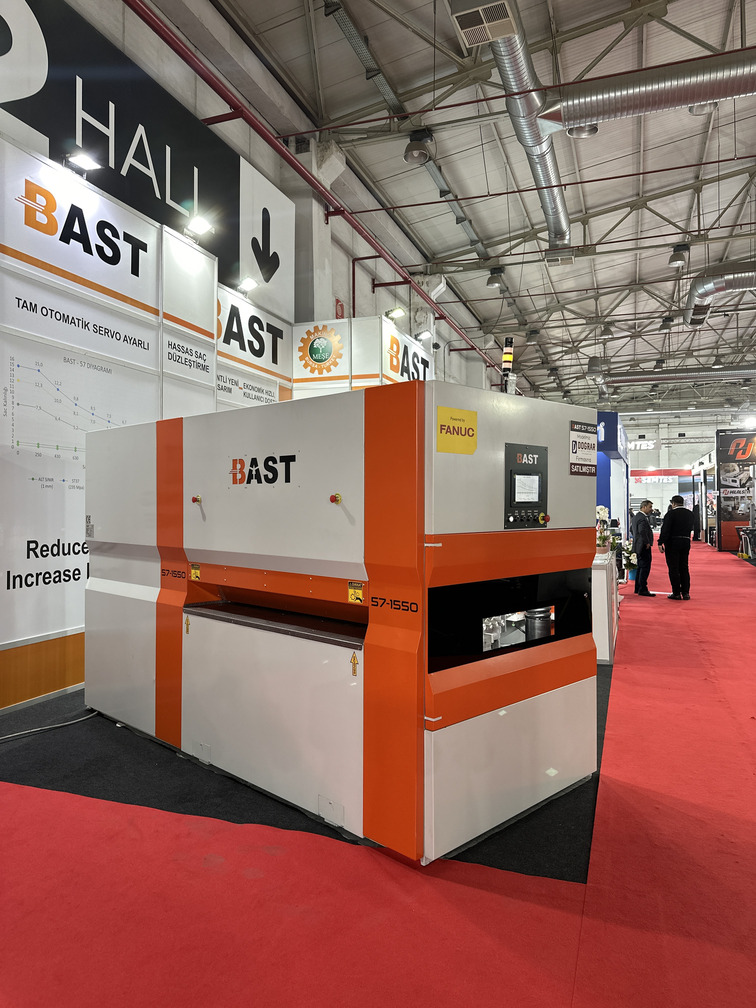
In the field of sheet metal leveling, locally developed solutions are evaluated not only by their technical specifications but also by their performance in real production environments. BAST distinguishes itself with an approach that shapes its machines based on actual production conditions. Through trade fair participation, user-driven feedback, and active field applications, BAST sheet metal leveling machines are designed to adapt to the diverse leveling requirements encountered across different industries.
Ease of use, adjustment stability, and seamless integration into existing production lines are among the key factors that make BAST solutions a preferred choice. This approach supports not only current operational needs but also long-term production planning for sheet metal processing companies.
Conclusion
Improving quality in sheet metal processing operations positively impacts not only the final product but the entire production line. The right sheet metal leveling technology reduces time losses, lowers costs, and ensures production standardization. Today, roller-based sheet metal leveling machines offer an effective and sustainable solution for manufacturers aiming to achieve these objectives.



Leave A Comment