

In the sheet metal working sector, production quality does not depend solely on the quality of the raw material, but is also closely linked to the accuracy and stability of the processes applied. Internal stresses that form after operations such as laser cutting, plasma cutting, oxy-fuel cutting, or processing on perforated sheets can compromise the flatness of the piece, causing significant problems in subsequent stages of production. This situation leads to increased processing times and scrap rates.
In this context, sheet metal leveling, often underestimated, emerges as one of the most critical stages of the production line. Incorrect leveling can cause openings during welding, dimensional deviations in bending operations, and coupling problems during assembly.
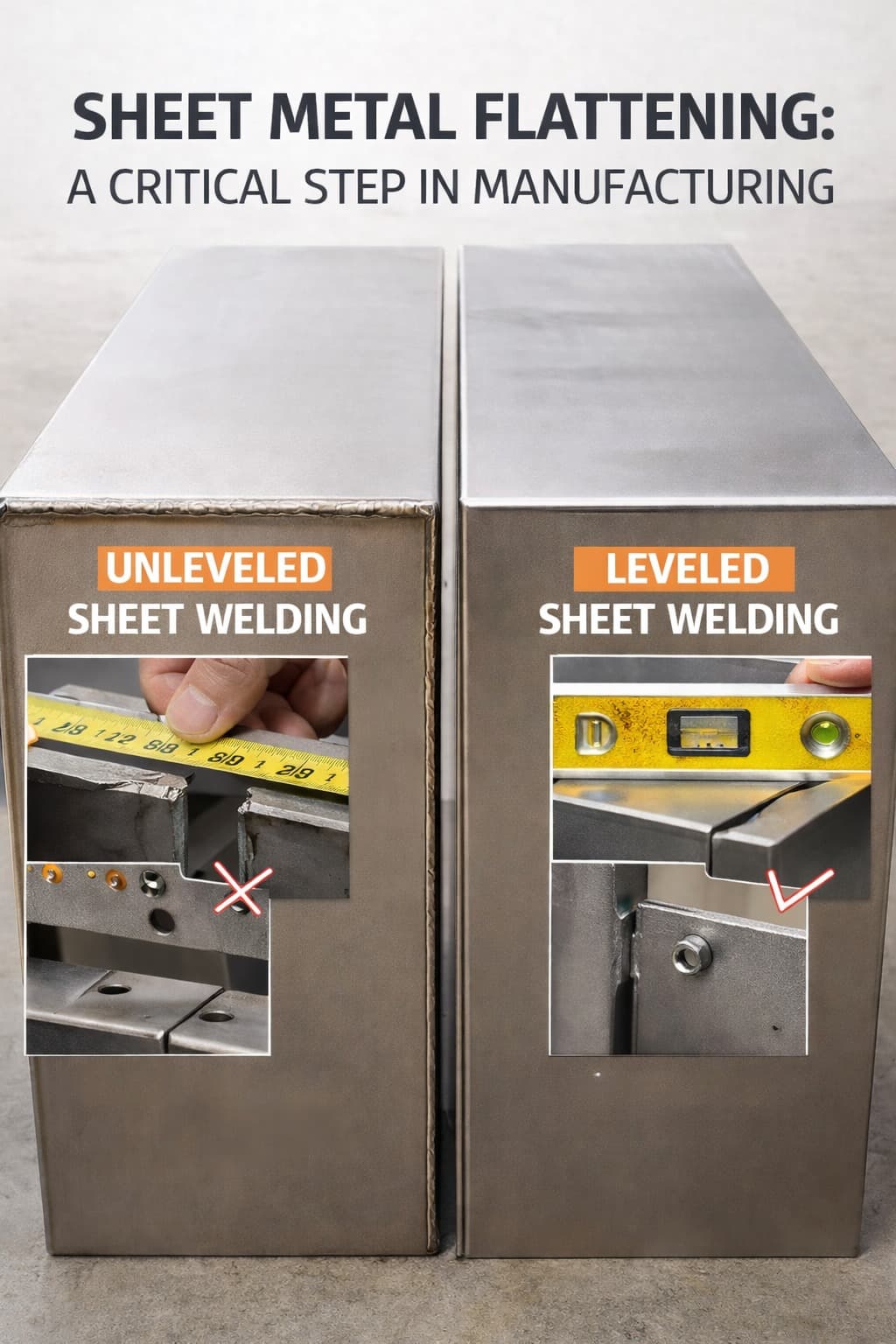
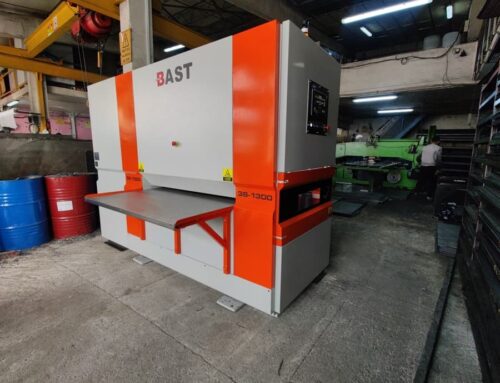
Modern sheet metal leveling technologies have been developed precisely to prevent these production problems, making processes more controllable and predictable. In particular, roller leveling systems allow the internal stresses present on the sheet metal surface to be distributed evenly, preparing more stable pieces for subsequent processing stages. Among the solutions available on the market, BAST leveling machines stand out for their practical and repeatable approach to correcting deformations generated by laser cutting.
The limitations of traditional methods
For many years, sheet metal leveling operations have been performed using presses, manual interventions, or methods based primarily on the operator’s experience. Although these techniques can be effective in some cases, one of their main limitations is the inability to guarantee consistent results on every single piece. Operator-dependent processes make standardization difficult and are not a sustainable solution for mass production.
In addition, manual straightening operations are time-consuming. As the time required for each piece increases, so do production costs and delivery times. In companies with high laser cutting volumes, this can create real bottlenecks in the production line.
The key role of roller leveling
Today, roller sheet metal leveling machines are widely adopted as an effective solution to these problems. These systems allow the internal stresses of the material to be distributed in a controlled and balanced manner, resulting in a more uniform flatness.
One of the major advantages of roller leveling technology is the repeatability of the process. Using the same settings, it is possible to achieve similar results on different pieces, which is particularly advantageous for companies focused on mass production.
The main advantages can be summarized as follows:
- Reduced leveling time
- Minimization of operator-related errors
- Consistent quality for each individual piece
- Reduced preparation time before welding and bending
- Decreased scrap and rework
Digital control and ease of use
Touch screen panels and digital control systems are now standard in modern sheet metal leveling machines. These solutions allow you to set machine parameters with high precision and quickly switch between different sheet thicknesses. The ability for operators to use the machine efficiently without lengthy training is an important advantage in terms of production continuity.
Systems supported by precision sensors ensure process stability, while overload protection mechanisms increase machine life and reduce long-term maintenance costs.
Benefits in industrial applications
Roller leveling machines are used not only in the production of individual parts, but also in mass production lines. The elimination of ripples generated by laser cutting is particularly relevant in sectors such as automotive, machinery construction, metal structures, and sheet metal cabin production.
Thanks to these technologies, companies can make their production processes more predictable. Consistent part quality helps increase customer satisfaction and allows for more accurate delivery time planning.
Among the solutions developed in Turkey and international markets, BAST leveling machines stand out for their ease of use and high compatibility with production processes. In particular, they are a preferred solution for reliably preparing laser-cut sheets for subsequent processing.
BAST solutions in practice
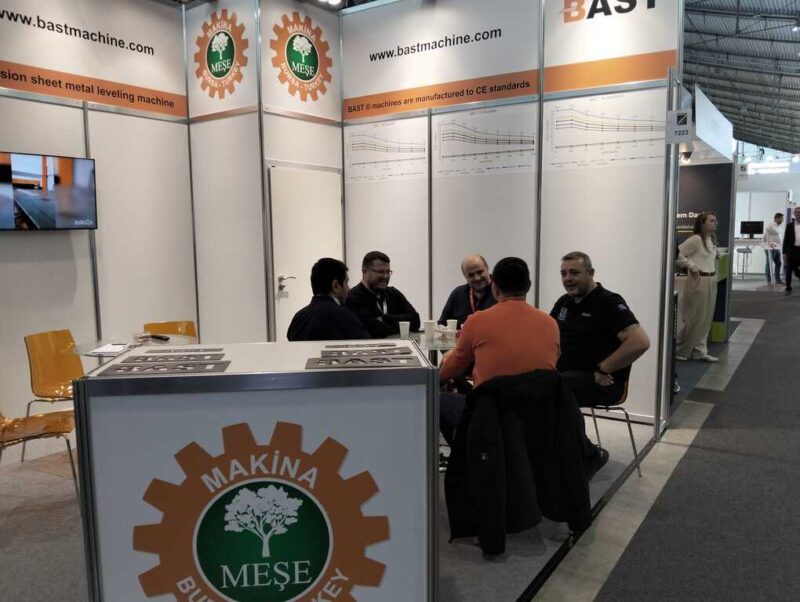
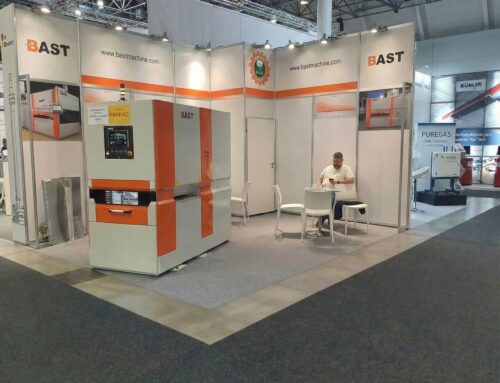
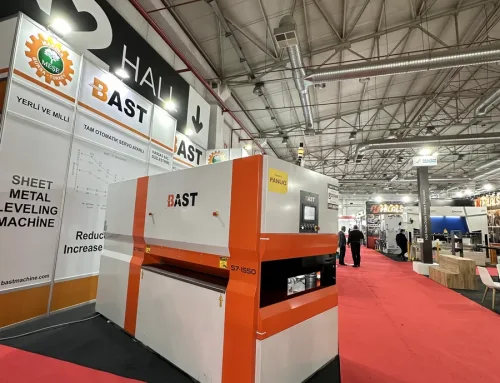
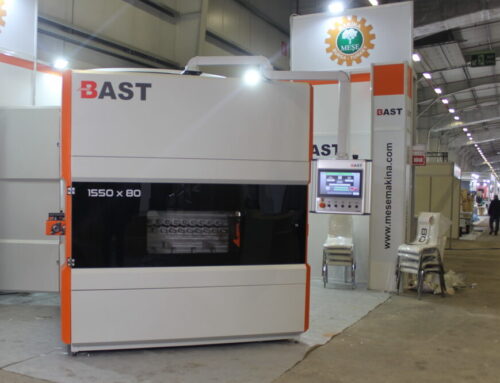
In the field of sheet metal levelling, locally developed solutions are evaluated not only for their technical characteristics, but also for their actual performance in production. BAST stands out for its approach of designing its machines based on actual operating conditions. Through participation in trade fairs, direct user feedback and field applications, BAST levelling machines are able to adapt to the diverse needs of industrial sectors.
Ease of use, stability of adjustments, and the ability to integrate into production lines are among the main factors that make BAST solutions a reliable choice. This approach supports not only current production needs but also the long-term planning of companies operating in sheet metal processing.
Conclusion
Improving quality in sheet metal working processes not only affects the final product, but also benefits the entire production line. The right leveling technology reduces time loss, lowers costs, and ensures production standardization. Today, roller sheet metal leveling machines are an effective and sustainable solution for companies aiming for high quality standards.


Leave A Comment