
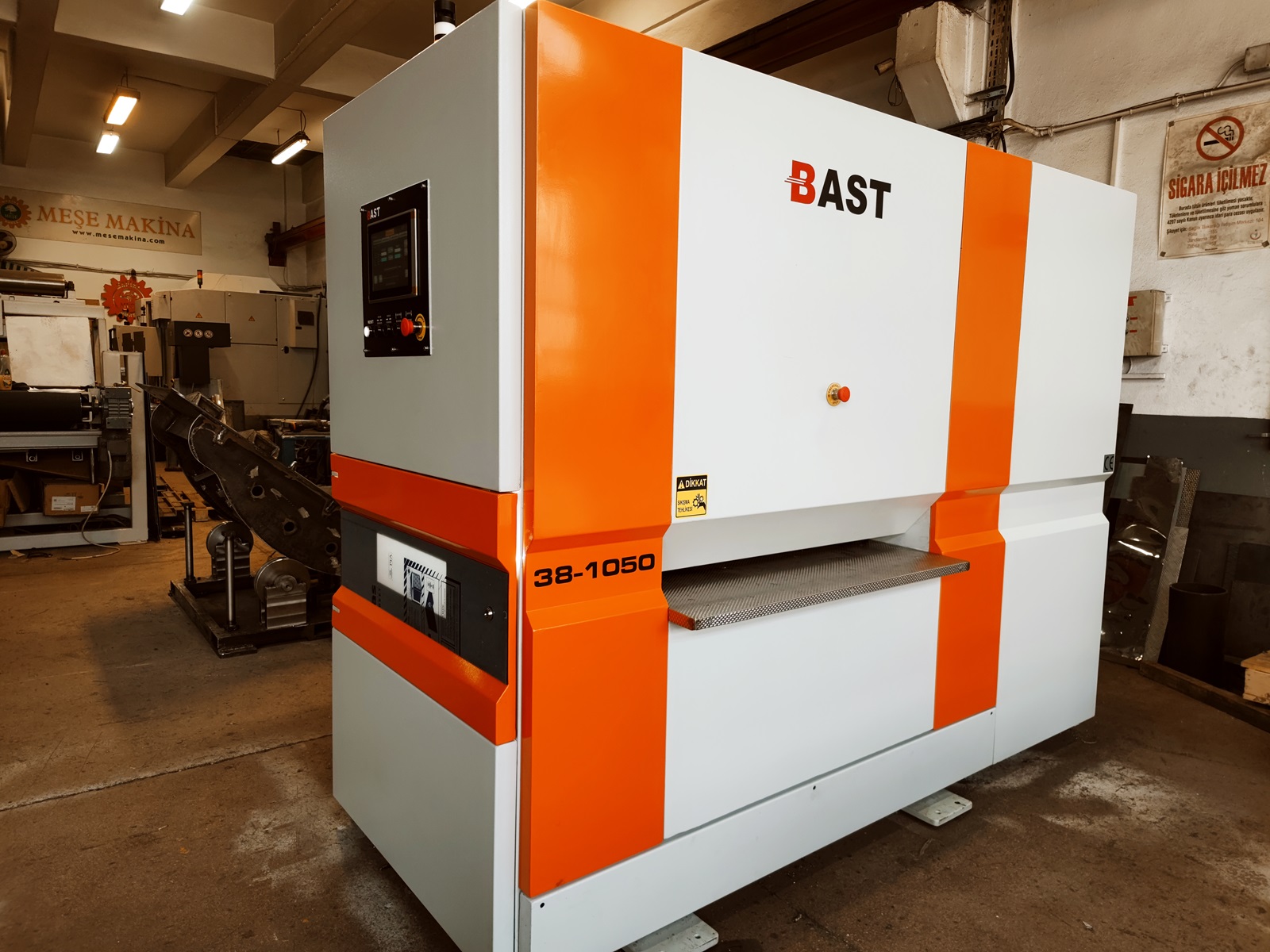
In today’s competitive manufacturing environment, even the smallest details can make the difference between efficiency and costly mistakes. One of these details—sometimes underestimated, but always crucial—is the straightening of sheet metal. Whether in welding, bending, or other downstream processes, the flatness and freedom from tension of the sheet metal directly influences both product quality and production speed.
Without proper straightening, manufacturers face problems such as warped parts, alignment errors, or material waste. As the demand for higher precision continues to grow in many industries, effective straightening has established itself as an indispensable foundation of modern production lines.
Why straightening is so important in precision manufacturing
Straightening means more than just smoothing metal—it’s about eliminating internal stresses that could compromise structural integrity. If sheet metal contains residual stresses, even small operations such as cutting or bending can cause unwanted deformation.
In precision manufacturing, where tight tolerances and repeatability are essential, poor straightening creates a chain reaction:
- Weld seams are more difficult to align.
- Bent components do not meet specifications.
- Assembly times are extended due to corrections and rework.
Stable, stress-free sheet metal protects every subsequent work step – and makes straightening a cornerstone of production excellence.
Traditional straightening methods and their limitations
Historically, manufacturers relied on manual techniques or older straightening machines. These methods met basic requirements, but quickly reach their limits when it comes to today’s demands.
- Inconsistency: Manual corrections depend heavily on the operator’s experience and lead to fluctuating quality.
- Time loss: Multiple adjustments slow down the process and extend throughput times.
- Higher costs: Rework, scrap, and tool wear drive up production costs.
- Limited precision: Modern applications require flatness that traditional methods can hardly achieve.
As the industry demands greater efficiency and tighter tolerances, these limitations quickly become barriers to growth and competitiveness.
The role of roll straightening in modern production
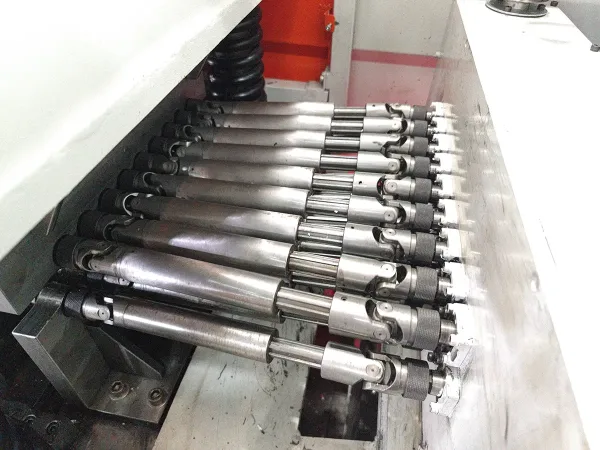
Roll straightening has established itself as the industry standard for reliable and repeatable results. Sheet metal is guided through a series of precision-machined rolls, redistributing internal stresses and eliminating unevenness in a single continuous process.
Key advantages of roll leveling
- High accuracy: Flat, stress-free sheets ensure consistent results when welding, bending, and punching.
- Process efficiency: The continuous process reduces cycle times and increases overall throughput.
- Cost reduction: Less scrap, less rework, and less tool wear reduce production costs.
- Easy integration: Automated controls make roll leveling machines easy to operate, even in complex lines.
- Durability: Modern designs with overload protection and bidirectional rolls extend service life.
Roll leveling transforms sheet metal preparation from a bottleneck into a real competitive advantage.
Technical excellence: The BAST® solution
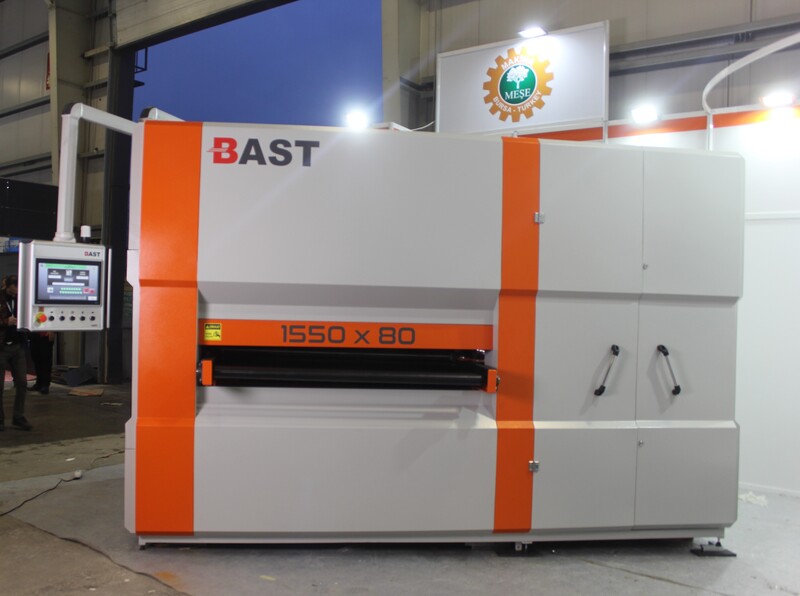
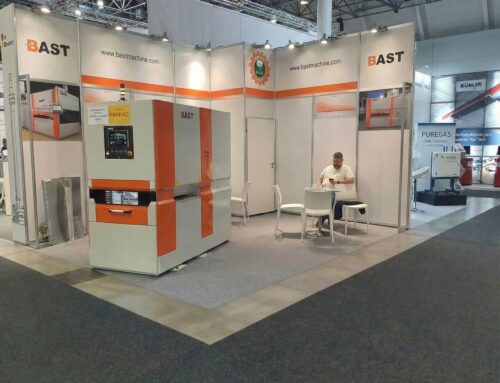
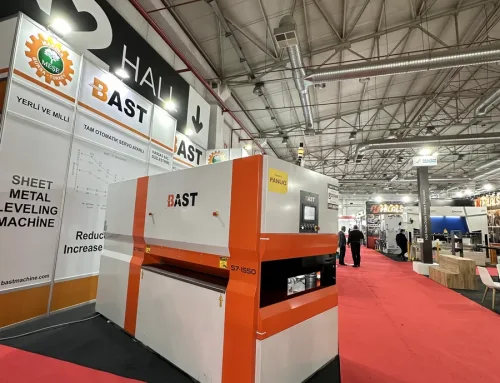
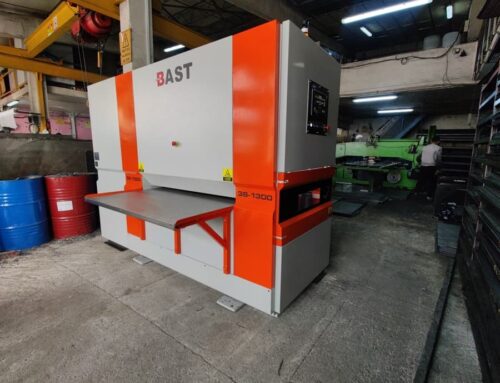
As clear as the advantages of roll straightening are, not all machines deliver the same performance. The BAST® roll straightening machine was developed to meet the highest demands for speed, efficiency, and ease of use in modern sheet metal processing.
Key features:
- EASYBAST touchscreen for intuitive operation and precise adjustment.
- Overload protection that extends the service life of rollers and components.
- High-precision sensors that ensure consistent accuracy in production.
- Efficient power transmission for maximum reliability and performance.
With a clear focus on durability, precision, and user-friendliness, BAST® machines offer manufacturers a reliable solution for going beyond the limits of traditional straightening methods.
Conclusion
From welding to bending, straightening plays a crucial role in precision, cost reduction, and productivity. Traditional methods can no longer keep up with the demands of today’s fast-paced and detail-oriented manufacturing world.
By using modern roller straightening technology—such as the BAST® roller straightening machine—manufacturers secure a clear competitive advantage. With flatter, stress-free sheets, all subsequent processes become faster, smoother, and more precise.
Ultimately, effective straightening is not just a step in the production process—it is the foundation of precision manufacturing.


Leave A Comment