

The automotive industry requires innovative technologies and higher production standards every day. The processing of sheet metal used in vehicle production is one of the cornerstones of this process. However, ensuring the surface quality and accuracy of these sheets is critical for both vehicle performance and aesthetics. This is where sheet metal leveling machines come into play.
So, why should sheet metal be flattened? Which technologies make a difference in automotive production? And how do these machines respond to the rapidly changing demands of the industry? In this article, we will cover everything from the advantages that flattening machines offer to the automotive industry to technological innovations and their contribution to sustainable production.
If you also want to optimize production processes in the automotive industry, improve quality, and gain a competitive advantage, keep reading this article. Because the right information is the key to finding the right technology. Now, are you ready to dive into the depths of sheet metal leveling machines? 🚗🔧
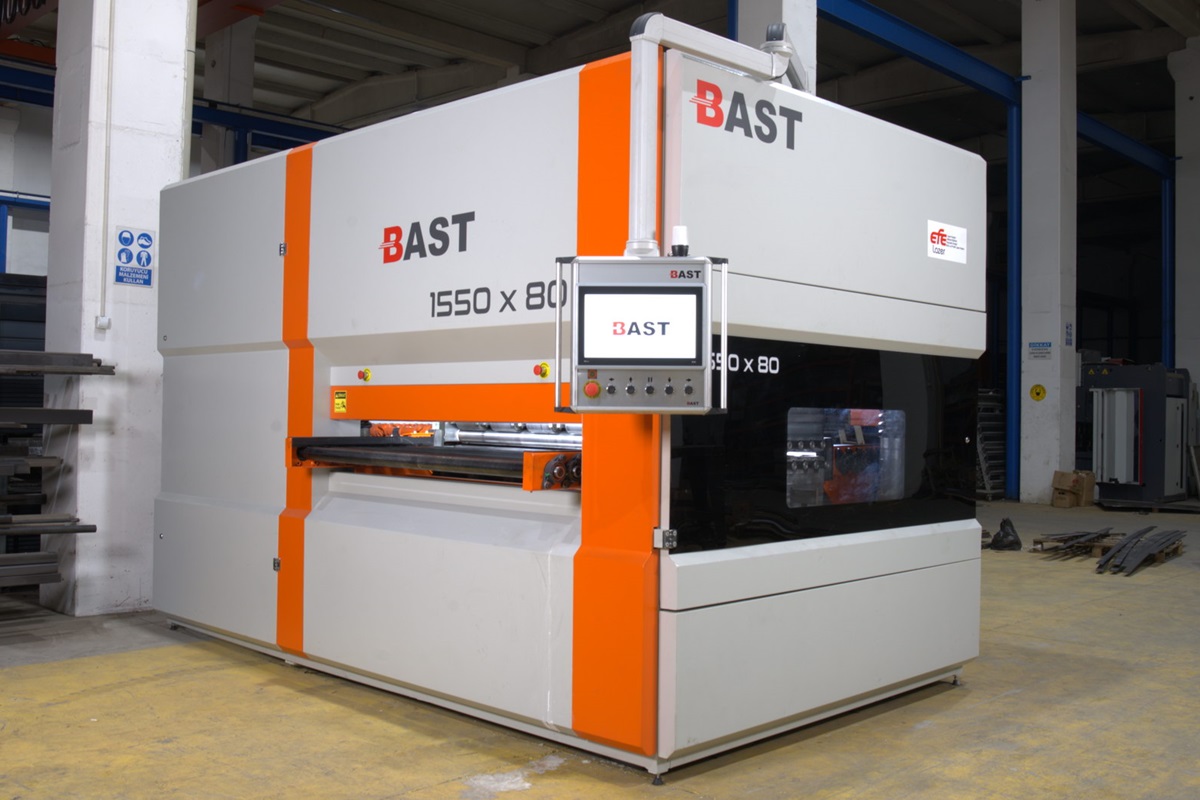
This article may interest you. Sheet Metal Flattening High Precision and Efficiency
What is a Sheet Metal Leveling Machine?
Sheet metal leveling machines are industrial equipment that play an important role in the metalworking industry. These machines are used to level sheet metal and prepare its surface flawlessly.
Sheet metal can be subject to various deformations and bends during the production process. Such problems can lead to serious quality issues, especially in areas with sensitive production requirements, such as the automotive industry. This is where leveling machines come into play.
How Does It Work?
Leveling machines use special rollers and pressure mechanisms to increase the flatness of sheet metal. During processing, the sheets are passed through these rollers in a controlled manner, and any irregularities such as rippling or bending are eliminated. This prepares the material for subsequent production stages.
Why Are They Important?
The primary purpose of sheet metal leveling machines is to ensure that sheets meet the desired standards, both visually and functionally. These machines:
- Achieve precise surfaces.
- Reduce errors in the production process.
- Increase material durability.
Who Uses Them?
Metal sheet leveling machines are widely used in many industries, particularly in the automotive sector. The accuracy and efficiency provided by these machines are especially important in the production of chassis, bodywork, and other automotive parts.
Metal sheet leveling machines are an indispensable part of metal processing. These machines, which increase production quality and save labor and time, play a critical role in producing more durable, aesthetic, and safer vehicles in the automotive industry.
Metal Sheet Processing in the Automotive Industry
The automotive industry has a production process that requires high precision and quality. Many parts, from vehicle body panels to chassis components, are obtained by processing metal sheets. However, this process is not just about cutting and shaping the material; ensuring the surface quality, smoothness, and durability of the sheets is also of critical importance.
The sheet metal processing process generally consists of several basic steps:
- Cutting: Sheet metal is cut to the desired dimensions.
- Forming: The sheets are shaped into the desired form using pressure and other methods.
- Flattening: Deformations caused during cutting or forming are removed.
- Finishing: Processes such as surface coating, welding, or assembly are performed.
In this process, the flattening step in particular directly affects the success of all other processes. Unflattened sheet metal can cause problems in subsequent processes, leading to increased production errors and higher costs.
The fact that sheet metal used in the automotive industry is generally thin and has large surfaces further increases the risk of deformation. Therefore, sheet metal leveling machines are an indispensable tool for solving this problem.
In addition, properly processed sheet metal increases vehicle safety and contributes to aerodynamic performance. The precision of the technologies used during processing ensures that vehicles are durable and reduces production costs. This offers significant advantages to both manufacturers and end users.
In conclusion, the metal sheet processing process is one of the cornerstones of the automotive industry. Proper management of this process is a critical factor that increases both production quality and customer satisfaction.
Areas of Application for Leveling Machines in Automotive Production
Every vehicle produced in the automotive industry is the product of a detailed and complex manufacturing process. In this process, the processing of sheet metal is one of the fundamental steps that determines both the durability and aesthetic appearance of automotive parts. Sheet metal leveling machines play a critical role, especially in the production of body panels, chassis components, and other precision parts.
Body Panels and Flattening
Panels that form the exterior surfaces of vehicles, such as doors, roofs, and hoods, require high precision in terms of aesthetics and aerodynamics. Flattening machines ensure that these panels have a smooth and even surface, facilitating assembly and improving the appearance of the final product. Especially in automotive factories with large-scale production, each panel must be processed with millimeter-level precision.
Chassis and Structural Components
The chassis and other structural components that form the basic skeleton of vehicles are usually made of thick sheet metal to increase durability. In the processing of these parts, sheet leveling is of great importance in preventing alignment problems during assembly and increasing load-bearing capacity.
Interior and Exterior Accessories
Metal sheet leveling machines are used not only for large structural parts but also in the production of interior and exterior vehicle accessories. For example, components such as metal decorative parts, door moldings, or trunk covers are produced to meet high aesthetic standards thanks to the flattening process.
The Importance of Precision
In the automotive industry, every component must fit together perfectly. Sheet metal flattening machines support this fit by ensuring the homogeneity and surface flatness of the material. This both speeds up the production process and improves product quality.
As a result, sheet metal leveling machines play an important role in every step of the automotive industry. These machines both increase production efficiency and directly contribute to the durability and aesthetics of vehicles. Therefore, they stand out as an indispensable technology in automotive production processes.

New Trends in Sheet Metal Straightening Technologies
Sheet metal straightening technologies are constantly evolving in line with the automotive industry’s increasing demands for precision and efficiency. Today, innovative solutions that go beyond traditional methods are making production processes faster, more accurate, and more sustainable. These trends offer significant advantages not only to manufacturers but also to end consumers.
Hydraulic and Mechanical Straightening Technologies
Hydraulic leveling machines are preferred for processing thick and high-strength sheet metal, while mechanical machines offer superior performance for processing thinner sheets. Both technologies find application in modern automotive production lines and can be customized according to the type of material. This enables flexible solutions for both small and large-scale production projects.
Smart Automation Systems
With Industry 4.0, automation and digitalization are coming to the fore in sheet metal leveling machines. Smart systems minimize error rates by analyzing real-time data during the leveling process. In addition, automatic calibration and precision settings speed up production processes by reducing operator intervention.
Energy Efficiency and Sustainability
New generation leveling machines are equipped with technologies that reduce energy consumption. This supports an environmentally friendly production approach and lowers production costs. Furthermore, features that facilitate the processing of recycled materials play an important role in meeting sustainable production goals.
Precise Surface Processing
Technological advancements now enable the removal of even the smallest imperfections on sheet metal surfaces. In the automotive sector, this precision is critical for vehicles’ aerodynamic performance and aesthetic appearance. Precision surface processing technologies support longer vehicle lifespans and higher customer satisfaction.
Flexible Production Capacity
Modern leveling machines have the capacity to process sheet metal of different sizes and thicknesses. This flexibility allows automotive manufacturers to increase product diversity and respond more easily to specific customer demands.
As a result, new trends in metal sheet leveling technologies are increasing production quality and speed in the automotive industry while also reducing environmental impacts. These innovations are becoming a necessity for manufacturers seeking to maintain their competitive advantage in the industry.
The Importance of Precision in the Automotive Industry
Precision in automotive manufacturing processes directly affects not only quality but also safety and performance. Each component of a vehicle must be manufactured with millimeter accuracy and fit perfectly with other parts during assembly. This is where the precision provided by sheet metal leveling machines plays a vital role in the industry.
The Impact of Surface Quality on Vehicle Safety
Deformations on the surface of sheet metal can lead to alignment problems during assembly and weakness at connection points. This can pose serious safety risks, especially in critical components such as chassis and body panels. Straightening machines eliminate these deformations, ensuring that parts are mounted in a more durable and safer manner.
Aerodynamic Performance and Precision
In the automotive industry, aerodynamic designs are crucial for improving fuel efficiency and enhancing the driving experience. Having a smooth and even surface on body panels minimizes air resistance, improving the vehicle’s performance. The precision offered by flattening machines plays a key role in achieving these critical aerodynamic goals.
Impact on Cost and Efficiency
Another important advantage of precision is cost management. Correctly processed materials lead to fewer production errors and less waste. This not only saves costs but also supports an environmentally friendly approach to production.
Flawless Assembly and Design Compatibility
Modern vehicle designs require parts to fit together seamlessly. Improperly processed sheet metal can cause problems during assembly and reduce the quality of the final product. The accuracy provided by sheet metal leveling machines prevents such incompatibilities, making the production process smoother.
Ultimately, precision in the automotive industry is indispensable for both vehicle safety and customer satisfaction. Sheet metal leveling machines provide this precision, offering quality, efficiency, and safety in automotive production. This provides a significant competitive advantage for manufacturers in the industry.
Advantages of Sheet Metal Leveling Machines
Sheet metal leveling machines are an indispensable technology for optimizing production processes in the automotive industry. These machines, which increase both production quality and speed, stand out with their many advantages. Here are the most important contributions these machines make to the automotive industry:
- Increases Production Speed
- Improves Surface Quality
- Prevents Material Waste
- Reduces Labor Costs
- Produces More Durable and Reliable Parts
- Standardizes Production Processes
1. Increases Production Speed
Straightening machines work much faster and more effectively than manual methods. This is a major advantage, especially for automotive factories engaged in mass production. A faster flattening process saves time by shortening the overall production time.
2. Improves Surface Quality
Deformations and roughness on the surface of metal sheets are easily removed with flattening machines. This provides a flawless aesthetic appearance and helps the parts fit together better during assembly.
3. Prevents Material Waste
Material waste that could occur due to deformation or incorrect cuts is minimized thanks to the precision offered by leveling machines. This not only reduces production costs but also contributes to a sustainable production process.
4. Reduces Labor Costs
Flattening machines equipped with automated systems minimize human intervention. This significantly reduces labor costs while also lightening the workload for operators.
5. Produces More Durable and Reliable Parts
Precisely flattened metal sheets enable the production of more durable and reliable automotive parts. This ensures that vehicles have a longer lifespan while also increasing customer satisfaction.
6. Standardizes Production Processes
Flattening machines ensure that each sheet metal plate is processed with the same quality and accuracy. This allows the production process to proceed in a more consistent and standardized manner.
As a result, sheet metal flattening machines increase the efficiency of manufacturers in the sector by offering speed, quality, and cost advantages in automotive production processes. These machines are not only a production tool but also a strategic investment that increases competitiveness in the automotive industry.
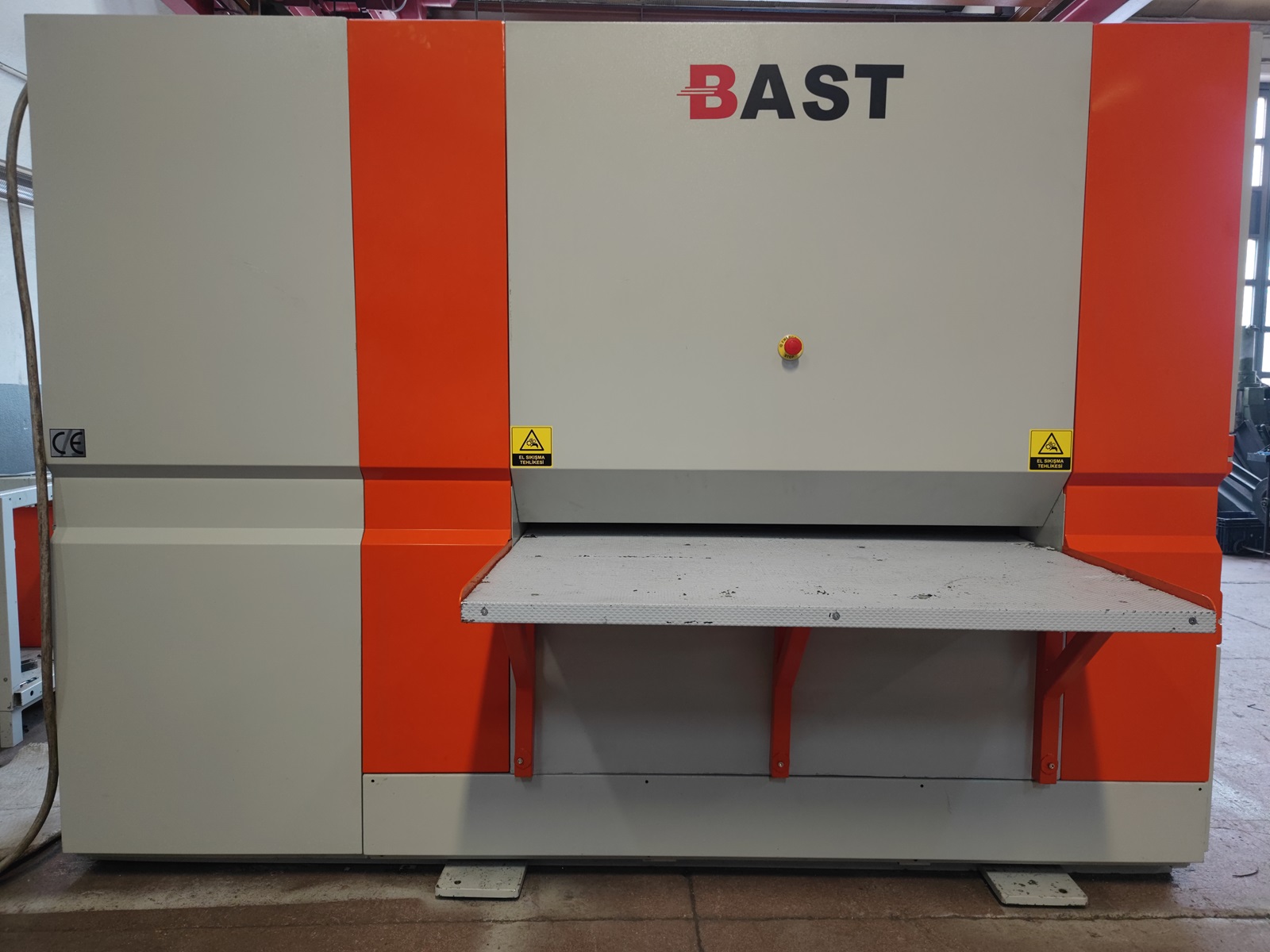
Features of Hydraulic Sheet Metal Leveling Machines
Hydraulic sheet metal leveling machines are one of the most advanced and effective leveling technologies used in the automotive industry. These machines offer significant advantages, especially when processing thick and high-strength sheets. The power and precision provided by hydraulic systems optimize production processes while elevating quality to the highest levels.
- High Power and Performance
- Precision Settings
- Processing of Thick Materials
- Long-Term Use and Durability
- User-Friendly Design
1. High Power and Performance
Hydraulic systems can provide the high pressure required to flatten thick sheet metal. This is particularly important when processing automotive parts where durability is paramount, such as chassis components. Hydraulic machines deliver consistent performance even when working with tough materials.
2. Precision Adjustments
Hydraulic leveling machines can precisely adjust the pressure on the material during processing. This feature ensures a smooth and accurate surface without causing deformation in sheet metal. Precision enables high standards to be achieved in both aesthetic and functional terms.
3. Processing of Thick Materials
Hydraulic machines can effectively flatten thicker and heavier materials as well as thin sheets. This allows them to easily adapt to different types of sheet metal used in the automotive industry. They offer superior performance compared to other technologies, especially when processing thick plates.
4. Long-Term Use and Durability
Hydraulic machines can operate smoothly for many years thanks to their robust construction. For manufacturers, this means low maintenance costs and high efficiency. Furthermore, they can operate continuously even on intensive production lines.
5. User-Friendly Design
Modern hydraulic leveling machines are equipped with user-friendly interfaces. Operators can easily adjust machine settings and monitor real-time data during operation. This makes the production process more efficient and seamless.
In conclusion, hydraulic sheet metal leveling machines hold an important place in the automotive industry due to their capacity to process thick materials and the precision they offer. These machines increase production speed and provide manufacturers with a competitive advantage by meeting the most demanding material processing needs.
Increased Efficiency and Quality with Sheet Metal Leveling Machines
In the automotive industry, the efficiency of production processes and product quality standards are among the most important factors determining competitive advantage. Sheet metal leveling machines offer significant benefits to manufacturers by optimizing these two factors. The speed, consistency, and quality achieved on production lines provide both cost advantages and customer satisfaction.
1. Faster Production Processes
Sheet metal leveling machines enable metal sheets to be processed quickly and efficiently. These machines save time compared to traditional methods and are a major advantage, especially for factories engaged in mass production. Producing more products in less time increases production capacity.
2. Consistent Product Quality
Straightening machines guarantee that each sheet metal plate is processed to the same standards. This is vital in the automotive industry because consistency directly affects the compatibility of assembly processes and the reliability of the final product. These machines minimize the risk of deformation, ensuring that each part is of the same high quality.
3. Reduces Material Loss
The precision processing capability of sheet metal leveling machines significantly reduces material waste. Correcting deformations in metal sheets prevents material loss and allows for more efficient use of recycled materials. This also contributes significantly to environmental sustainability.
4. Reduces Costs
Less material loss, reduced labor requirements, and shorter processing times are the most important ways to lower production costs. Sheet metal leveling machines combine these advantages to optimize manufacturers’ total costs.
5. Precision and Processing Flexibility
Modern sheet metal leveling machines have a flexible structure that can adapt to different material types and thicknesses. This allows manufacturers to achieve the same high quality for a wide range of products. In addition, the high level of precision provides smooth surfaces, which are critical for aerodynamic designs.
In conclusion, sheet metal leveling machines offer significant advantages to the automotive industry in terms of both efficiency and quality. These machines not only accelerate production processes but also enhance the durability and aesthetic value of products, making a difference in the industry. This technology, which combines efficiency and quality, has become an indispensable investment for automotive manufacturers.
Metal Sheet Materials Used in Automotive and the Need for Straightening
Metal sheet materials used in the automotive industry are fundamental components that determine both the durability and performance of the vehicle. Various materials such as steel, aluminum, and different alloys are used in different parts of the vehicle. However, deformations that occur during the processing of these materials can negatively affect the production process. This is where the importance of sheet metal leveling machines comes into play.
1. Steel Sheets
Steel is one of the most commonly used materials in the automotive industry. High-strength steels are preferred, especially in chassis, body, and safety structures. However, deformations on the surface during steel processing can negatively affect the durability and aesthetic value of the parts. Flattening machines eliminate these deformations, ensuring that steel sheets meet the desired quality standards.
2. Aluminum Sheets
Aluminum is frequently used in modern automotive designs due to its lightness and corrosion resistance. Aluminum is preferred for hoods, doors, and some chassis elements. However, aluminum materials are softer than steel and can easily bend or deform during processing. Therefore, precision leveling machines enable aluminum to be processed perfectly.
3. Composites and Alloys
Composite materials and steel-aluminum alloys are widely used in the automotive industry to offer both lightness and durability. However, processing these materials requires special precision due to both deformation risks and surface roughness. Flattening machines deliver high performance even on these challenging materials, minimizing production errors.
4. Challenges in Processing Sheet Materials
- Bending and Warping: Deformation can occur during the processing of sheet metal, particularly during cutting and forming processes.
- Requirement for Precision: Materials must be processed flat and accurately to ensure that parts fit together perfectly during assembly.
- Surface Quality: Imperfections in sheet metal materials can negatively affect the aesthetic and aerodynamic performance of vehicle surfaces.
5. Areas Where Leveling Machines Provide Solutions
Leveling machines facilitate the production process by eliminating problems encountered in processing these materials. They offer advantages such as precise surface flattening, preventing material loss, and achieving high-quality results.
In conclusion, each sheet metal material used in the automotive industry comes with its own unique advantages and challenges. Sheet metal flattening machines offer industry-specific solutions to overcome these challenges, optimizing production processes and improving the overall quality of vehicles.
Competitive Advantages of Sheet Metal Leveling Machines in the Automotive Industry
The automotive industry faces intense competition due to constantly evolving technologies and increasing customer expectations. In this environment, optimizing production processes and ensuring high quality standards are critical for manufacturers. Metal sheet leveling machines facilitate the achievement of these goals in the automotive industry, offering manufacturers significant competitive advantages.
1. Speed and Efficiency in the Production Process
Leveling machines enable fast and precise processing of metal sheets. Increased production speed allows for both lower costs and faster delivery of products to the market. This is a major competitive advantage, especially for automotive companies engaged in mass production.
2. High Quality Standards
Properly processed sheet metal directly affects the overall quality of vehicles. Smooth, deformation-free surfaces improve aesthetic appearance and reduce errors during assembly. Quality products help brands increase customer satisfaction and gain a strong position in the market.
3. Cost Advantages
Metal sheet leveling machines reduce material waste and minimize production errors. Less waste and less rework requirement reduce total production costs. This gives manufacturers the opportunity to create price competition.
4. Technological Innovation and Adaptation
Modern leveling machines are equipped with innovative technologies such as smart automation systems and real-time data analysis. These technologies enable manufacturers to optimize their processes and easily adapt to a rapidly changing industry. Technological leadership supports a brand’s prominence in the industry.
5. Shorter Delivery Times
A fast and error-free production process ensures that orders are completed in a shorter time. This is a major advantage, especially in supply chain management where timely delivery is critical. Brands that can provide faster service to customers gain a reliable position in the industry.
The Future of Sheet Metal Processing and Automotive Technologies
The automotive industry is a rapidly advancing sector shaped by constant innovation. In the future, the role of sheet metal processing technologies in automotive production will become even more important. Evolving vehicle designs, sustainability goals, and digitalization trends are driving the evolution of technologies such as sheet metal leveling machines.
1. New Generation Vehicle Designs
Electric vehicles (EVs) and autonomous vehicles are creating a significant transformation in the automotive industry. These vehicles require lighter, more aerodynamic, and more durable materials. Sheet metal leveling machines contribute to this transformation by ensuring the proper processing of thin and lightweight materials used in the production of these new generation vehicles.
2. Smart Manufacturing and Industry 4.0
Digitalization in metal processing technologies forms the basis of future production processes. Smart automation systems, data analytics, and IoT (Internet of Things) integration used in sheet metal leveling machines optimize production processes. This enables faster, more accurate, and error-free production.
3. Sustainability and Environmental Impact
In the future, automotive manufacturers’ environmental sustainability goals will become even more important. Sheet metal leveling machines play a key role in achieving these goals by enabling more efficient processing of recyclable materials. Energy-efficient machines offer environmentally friendly solutions by reducing the carbon footprint of production processes.
4. High Precision and Quality Standards
The importance of aesthetics and functionality in vehicle design is increasing. Especially in the premium vehicle segment, every detail is expected to be flawless. Sheet metal leveling machines meet these high-precision needs by ensuring surface quality and material accuracy.
5. Flexible and Customizable Solutions
In the future, automotive manufacturers will focus on offering more customized vehicle designs. Metal sheet leveling machines are evolving to meet this demand with their adaptable structure for different material types and thicknesses. This flexibility allows manufacturers to increase their competitive advantage.
In conclusion, metal sheet processing technologies, and leveling machines in particular, will continue to be one of the most important factors shaping the future of the automotive industry. Together with digitalization, sustainability, and innovative vehicle designs, these technologies will make production processes in the industry more efficient and environmentally friendly, offering significant advantages to both manufacturers and consumers.
Conclusion: Gain Power in Production with Sheet Metal Leveling Machines
Sheet metal leveling machines are an excellent solution for meeting the efficiency, quality, and sustainability goals of production facilities, particularly in the automotive industry. These machines not only optimize your production processes but also offer features that give you a competitive advantage. Here are the advantages of these machines:
- High Efficiency: Saves time by speeding up production processes and creates advantages in mass production.
- Excellent Surface Quality: Provides flawless surfaces by eliminating deformations in sheet metal.
- Material Savings: Minimizes waste and reduces costs.
- Precision and Standardization: Ensures products are manufactured to consistent quality standards.
- Energy Efficiency: Offers an environmentally friendly production process with lower energy consumption.
- Advanced Technology: Reduces errors and optimizes processes through smart automation and digitalization integration.
- Versatility: Capable of processing steel, aluminum, and other materials.
If you are looking for a solution that offers quality, speed, and cost advantages for your factory, a sheet metal leveling machine would be the best investment. Don’t miss this opportunity to take your production processes to the next level!


Leave A Comment