
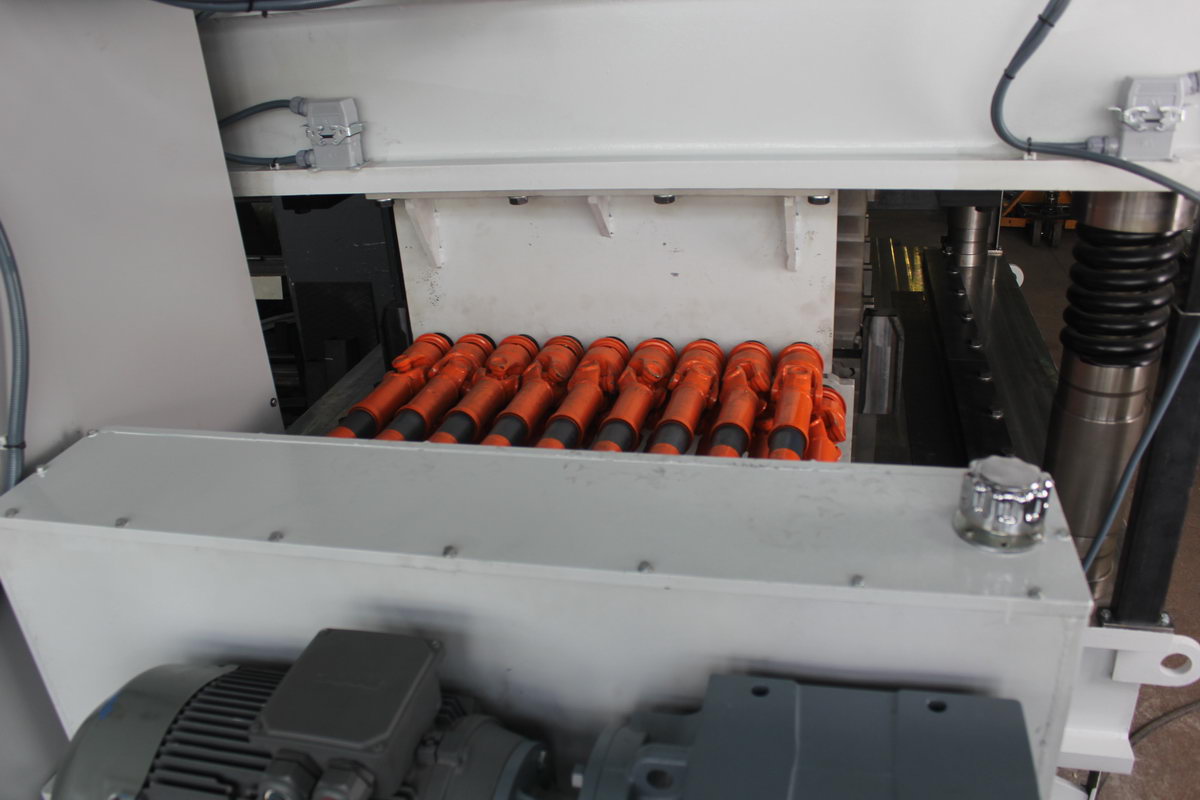
Precision and cleanliness are crucial when bending and forming sheet metal. Even minor stresses or unevenness can cause defects in the end product. Modern processes help to avoid such problems and achieve reliable results. Using the right technology not only saves time and money, but also improves the quality of your production.
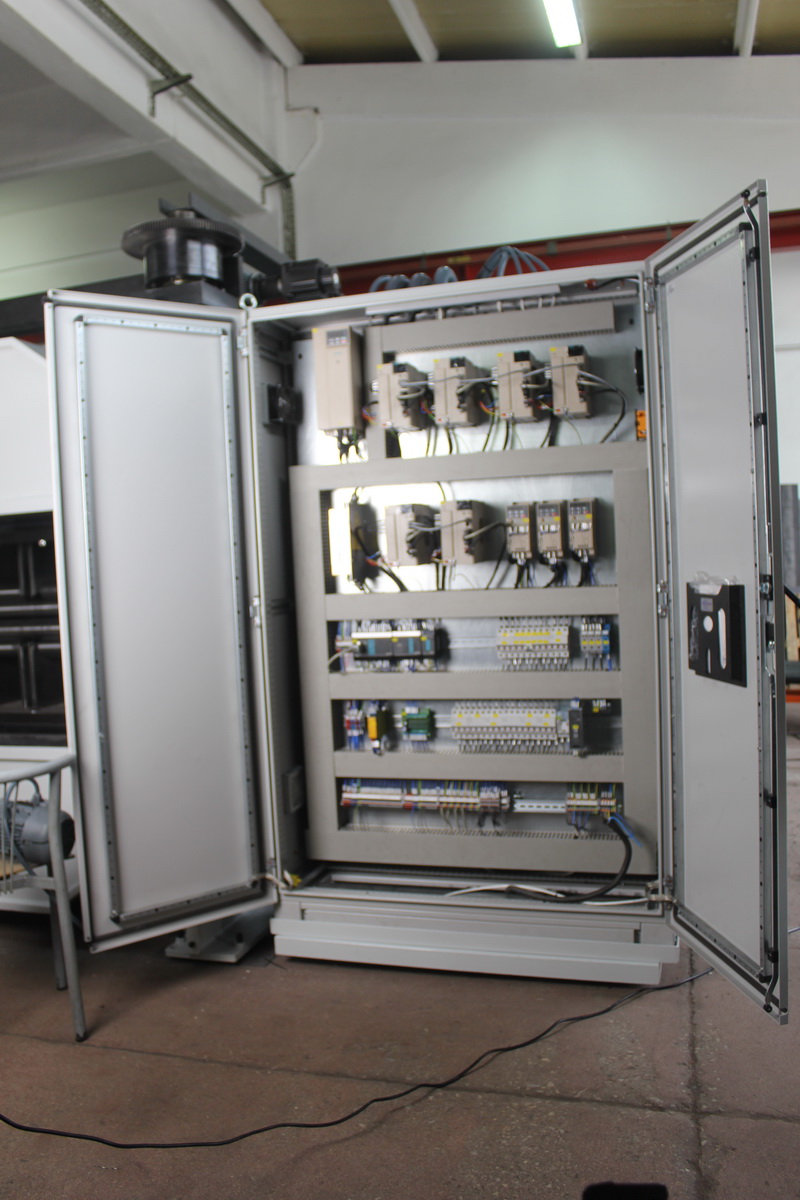
Challenges in sheet metal forming
Typical problems often arise when processing sheet metal:
- Internal stresses: These often occur after cutting (laser, plasma) and lead to unwanted deformations during bending.
- Material defects: Small irregularities or differences in sheet thickness can greatly affect accuracy.
- Uneven surfaces: Make precise bending difficult and increase the risk of visible defects.
- Consequences: Parts do not fit exactly, weld seams become inaccurate, cracks occur.
- Effects: More scrap, higher costs, and additional time required for rework.
The importance of precision and surface quality
Why precision and a clean surface are so important in sheet metal processing:
- Basis for further steps: Precise parts facilitate welding, assembly, and painting.
- Avoidance of weaknesses: Stress-free sheets reduce the risk of cracks and material failure.
- Aesthetics: Clean surfaces ensure a high-quality appearance, especially for visible components.
- Durability: Precisely manufactured components withstand stress better and extend the service life of products.
- Efficiency in production: Less rework saves time and reduces costs.
Modern approaches for clean results
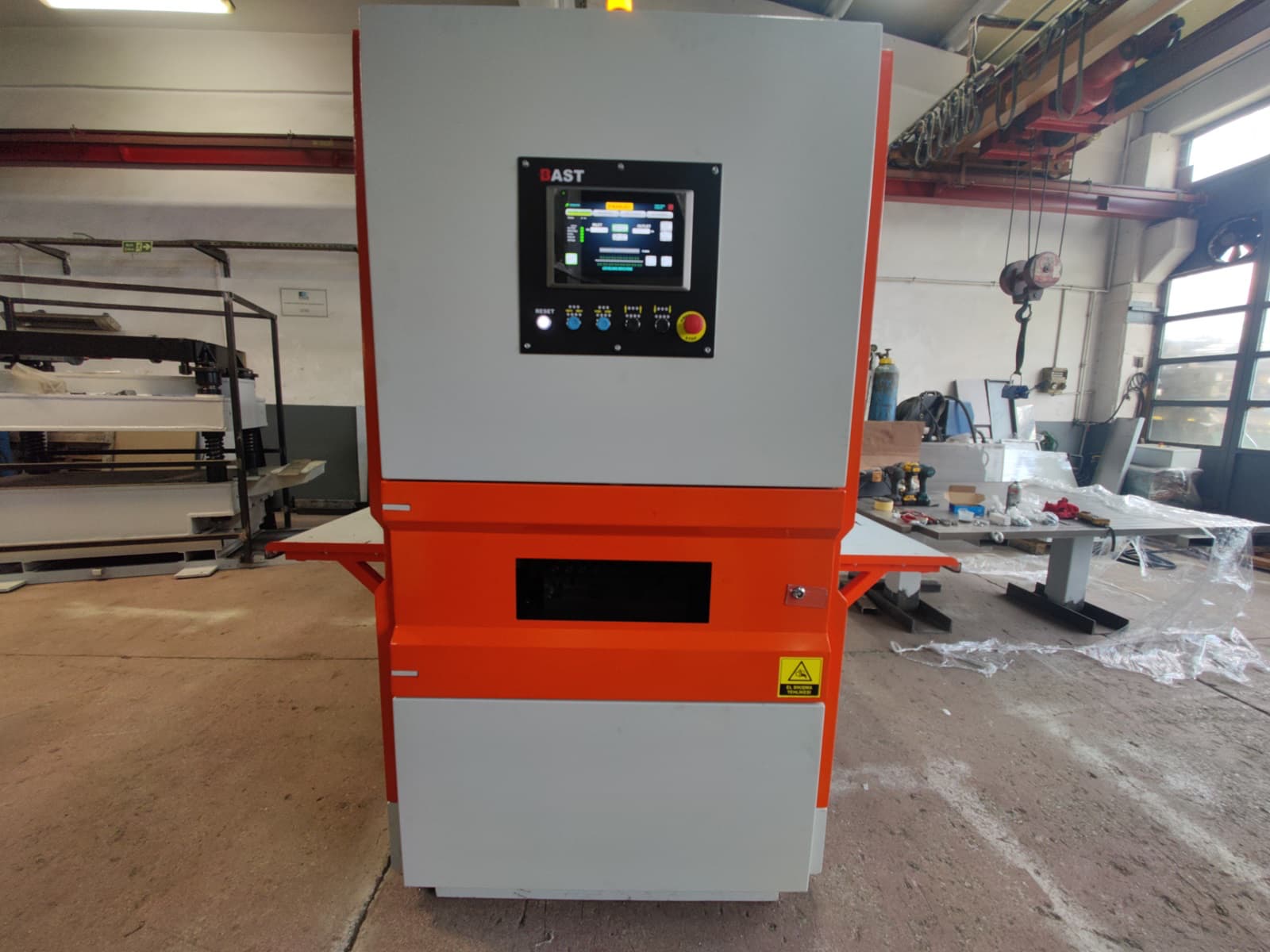
Clean edges and precise dimensions do not happen by themselves—they require modern processes that reduce material stresses and ensure consistent quality. This is where innovative solutions come into play that have been specially developed for the requirements of sheet metal processing. One example of this is the technologies from BAST, which combine efficiency and user-friendliness:
- Roll straightening and leveling technologies: Reduce internal stresses and enable uniform surfaces.
- Sensor-assisted settings: Measure deviations in real time and ensure immediate corrections.
- Automated fine adjustment: Maintains consistent quality – even with high volumes.
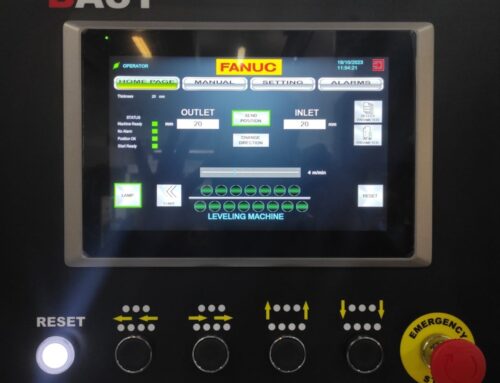
- EASYBAST touchscreen: Intuitive control that simplifies operation and prevents errors.
- Gentle processing: Extends the service life of workpieces and tools.
- Energy-efficient drives: Minimize power consumption without compromising performance.
This means that clean results are not left to chance, but can be planned using precise technology – an area in which BAST has been setting standards for years.
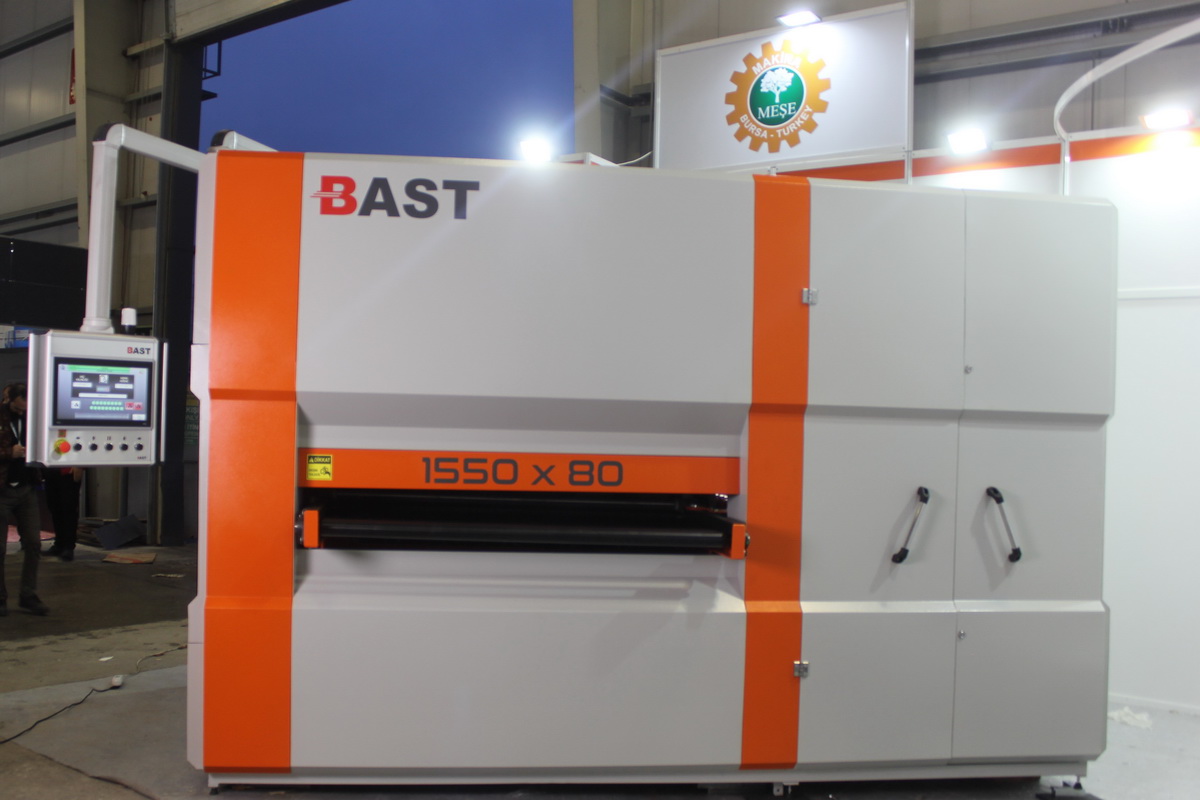
The future of sheet metal processing
The demands placed on sheet metal processing are constantly changing. Customers expect shorter delivery times, greater precision, and sustainable processes.
Automation is becoming increasingly important in order to meet these demands. Machines perform complex tasks independently and ensure consistent quality.
Equally important is digitalization, which makes it possible to monitor and optimize production steps in real time. The issue of energy efficiency is also coming into sharper focus: modern drives and intelligent controls help to conserve resources and reduce costs.
Manufacturers such as BAST are already developing solutions that prepare companies for this future. This will ensure clean results in bending and forming in the years to come.
Conclusion
Clean results when bending and forming sheet metal are no coincidence. They are the result of modern technologies, precise processes, and the use of machines that guarantee maximum accuracy. Companies that focus on innovation in this area benefit from less waste, lower costs, and more efficient production overall.
BAST combines these advantages in practical solutions. With intelligent control, energy-efficient drives, and user-friendly functions, the manufacturer shows how quality and sustainability can be combined. This ensures that sheet metal processing remains not only reliable but also competitive in the long term.


Leave A Comment